
Fan Culture
Why Stadium MMA Feels Different
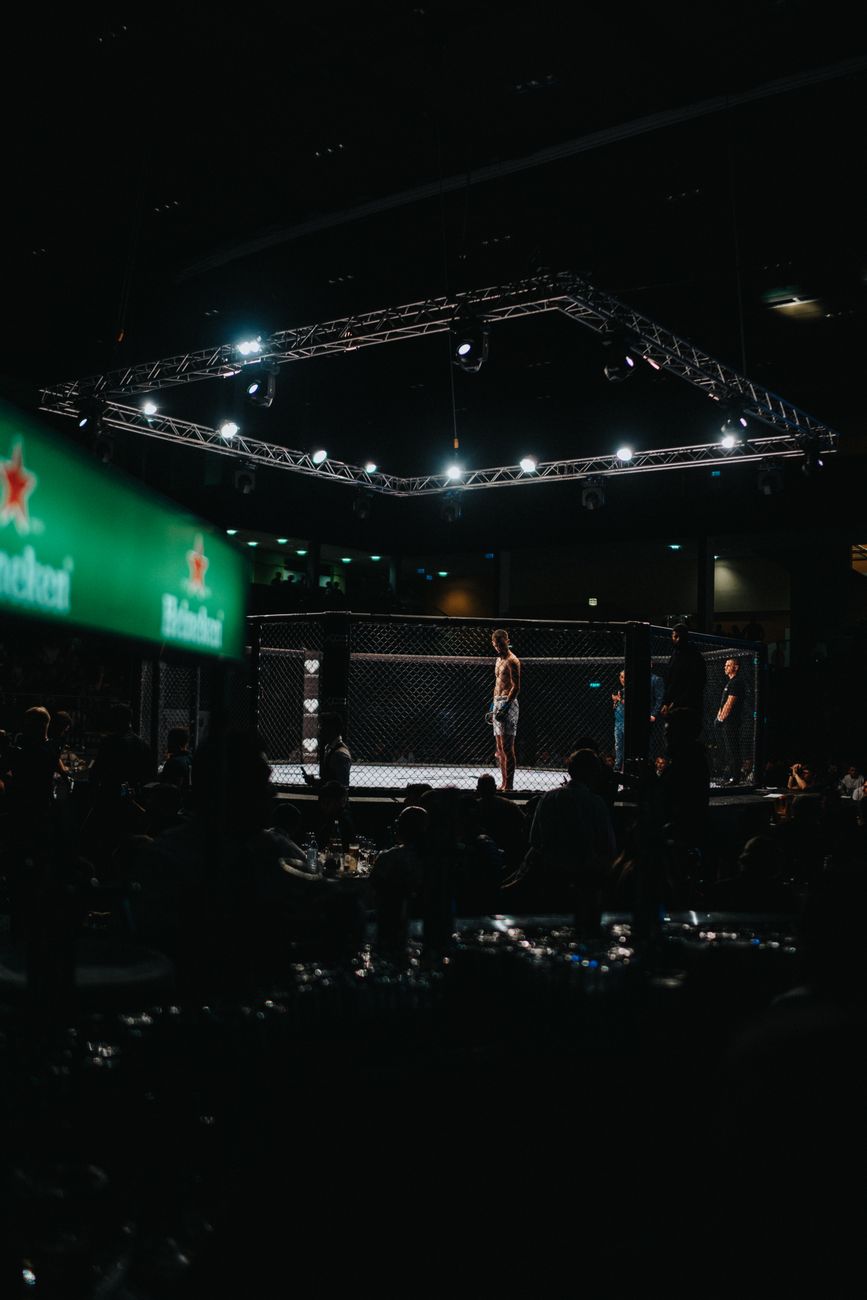
A stadium fight night begins long before the first walkout. Thousands of separate journeys become one shared ritual, and the building becomes part of the card. The crowd is larger, but the real difference is not a number. It is the way distance, sound, waiting and movement amplify every decision around the event.
The event starts on the journey
At an arena show, many fans arrive from the same transport network and follow familiar routes. A stadium crowd gathers from airports, motorway exits, regional trains and hotel districts. Shirts and flags appear across the city hours before doors open. By the time supporters reach the turnstiles, the event already has a rhythm.
That shared effort creates an immediate bond between strangers. A delayed train, a packed platform or the walk from the fan zone becomes part of the story people retell. Travel is not background logistics; it is the first act of the show.
Scale changes sound and attention
Stadium sound travels differently. A chant can begin far away, disappear, then return from another stand. Walkouts feel longer because the fighter has more physical and emotional distance to cross. A clean strike may reach the upper tiers as a wave rather than a single reaction.
The scale also makes quiet moments powerful. When tens of thousands wait for a decision or a final round begins, the pause feels heavier than it does in a compact hall. The audience is no longer surrounding the contest; it behaves like a moving part of it.
Travel creates commitment
A stadium ticket usually asks for more: earlier booking, a hotel, a longer route and a bigger group decision. Every step increases commitment. Fans arrive knowing the rivalries, the stakes and the names lower on the card because they have invested in a complete weekend rather than an isolated evening.
That knowledge changes crowd behaviour. Reactions start earlier, sections answer each other and preliminary fights receive the attention they deserve. Distance does not automatically make a better fan, but effort often produces a more prepared one.
Plan the stadium, not just the seat
The best stadium experience depends on practical choices. Confirm the correct entrance, the route from your hotel, bag restrictions and the likely time needed after security. Eat before the busiest arrival window and agree on one meeting point outside the final security perimeter.
Sightlines matter too. A closer block is not always better if the angle is low or screens are difficult to see. Compare the seat map, screen placement and section access. Build enough margin to find the block before the first fight you care about.
The exit belongs in the plan
When the main event ends, an entire stadium moves at once. Taxi ranks fill, platforms close temporarily and mobile data can slow. Decide before the event whether the group will leave immediately, wait inside the district or walk to a less congested stop.
A calm exit protects the memory of the night. The stadium spectacle is at its best when the whole weekend supports it: an easy base, a clear route, time with other fans and a Sunday that does not begin with panic. That is why stadium MMA feels different—it asks the city, the crowd and the journey to perform alongside the fighters.
Ready to build your weekend?
Choose an event →